
Amazon affiliate links - we earn a commission.Affiliate disclosure

Buying guide · 13 min read · Updated 2026-11-21

Best Fitness Trackers (2026)

Six fitness trackers compared on screen versus screenless designs, built-in GPS, heart rate and sleep tracking, battery life, subscriptions and phone support.

Brianna Cole, Lead Product EditorBy Brianna ColeLead Product Editor6 picks comparedSpec-sheet verified
Best Fitness Trackers

At a glance

Our top picks

Side by side

Spec comparison

PieceTrackingGPSBest use
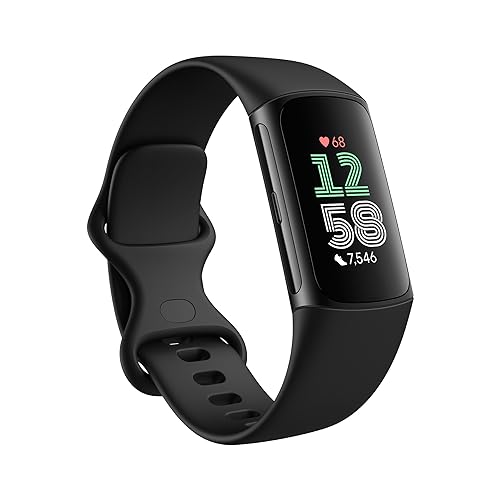
Google Fitbit Charge 6 fitness tracker with heart rate on exercise equipmentBest OverallGoogle Fitbit Charge 6 fitness tracker with heart rate on exercise equipmentSteps, active zone minutes, heart rate and sleepBuilt-in GPS for outdoor workoutsAll-round daily and workout tracking
Garmin vivoactive 5 GPS smartwatch with AMOLED display and built-in sports appsBest for Sport FeaturesGarmin vivoactive 5 GPS smartwatch with AMOLED display and built-in sports appsn/aBuilt-in GPSRunners, cyclists and gym users who want depth without a subscription
Samsung Galaxy Fit3 fitness tracker with 1.6 inch AMOLED displayBest Large Screen BandSamsung Galaxy Fit3 fitness tracker with 1.6 inch AMOLED displayHeart rate, sleep and workoutsn/aAndroid users who want a big, bright band
Google Fitbit Inspire 3 tracker with stress management and sleep trackingBest Simple BandGoogle Fitbit Inspire 3 tracker with stress management and sleep tracking24/7 heart rate, steps and sleepConnected GPS through the phoneLight, simple daily tracking
Amazfit Helio Strap screenless activity tracker with 10-day batteryBest Subscription-Free ScreenlessAmazfit Helio Strap screenless activity tracker with 10-day batteryn/an/aRecovery and sleep focus without a screen
WHOOP 5.0 screenless fitness, health and sleep wearable with 12-month membershipBest Coaching FocusWHOOP 5.0 screenless fitness, health and sleep wearable with 12-month membershipn/an/aAthletes who like data-driven recovery

A fitness tracker is a slim band that counts steps, estimates calories, tracks heart rate and sleep and logs workouts. It is lighter and longer lasting than a full smartwatch, and often cheaper, which makes it easy to wear all day and overnight.

The choices that matter are screen versus screenless design, built-in GPS, battery life, which phone it works with and whether the best insights sit behind a subscription. Accuracy varies by feature, and sleep and calorie estimates are rough. We evaluated six fitness trackers from the candidate pool using published specifications, listing details and patterns in owner feedback, then ranked them by fit for real daily use rather than by feature count.

Before you buy

6 Criteria to Look For Before Buying a Fitness Tracker

  1. 01

    Screen vs screenless

    A screen shows the time, notifications and stats at a glance, and a screenless band keeps you off the display and is often more comfortable for sleep. Screenless trackers rely on the phone app for everything. If you want to check data constantly, choose a screen. If you want to forget the device, choose screenless. Decide whether you would rather glance at your wrist or open an app, since that single preference narrows the field faster than any spec.

  2. 02

    Built-in vs connected GPS

    Built-in GPS lets you leave your phone at home for runs and walks and gives accurate routes and pace. Connected GPS uses the phone's GPS and works only when the phone is near. Built-in GPS adds cost and drains battery faster. Choose built-in if you run outdoors. Wear a loosely fitting band for a day, then a snug one for a day, and compare the heart rate graph smoothness in the app.

  3. 03

    Heart rate, sleep and accuracy

    Wrist heart rate is good for trends but less accurate in intense intervals. Sleep stages and calorie burn are estimates, not measurements. Treat the numbers as guides, not diagnoses. If you need precise heart rate data, a chest strap is better. If you swim, look for an explicit swim rating and a setting that locks the screen in water.

  4. 04

    Battery life

    Slim bands last 5 to 10 days, and watches with bright screens last 1 to 2 weeks or less. GPS use cuts battery life sharply. A tracker that you charge nightly may miss sleep tracking. Choose a battery that fits your routine. Check which app your friends or family use, since social features and challenges favor the popular platforms.

  5. 05

    Subscriptions and ecosystem

    Fitbit, WHOOP and some others put advanced insights behind a membership, while Garmin and Amazfit offer free apps. Check what is included without paying. The app and phone compatibility matter, since some work best with one platform. Look at the phone you plan to keep, because switching phones can change which features work.

  6. 06

    Comfort, fit and water resistance

    A tracker that you do not wear does not track. Slim, light bands are comfortable for 24/7 wear, and a snug fit improves heart rate readings. Check water resistance for swimming. Band material matters for sensitive skin. Think about whether you will wear it overnight, and pick a band that is light enough to forget.

Detailed reviews

The 6 best fitness trackers, explained

01
Google Fitbit Charge 6 fitness tracker with heart rate on exercise equipment
Built-in GPSHeart rateColor screenGoogle apps
Check price on Amazon
Best for: Most people who want a balanced tracker with GPS and a mature app.

The Fitbit Charge 6 is a tracker with a color touchscreen, built-in GPS and 24/7 heart rate tracking, and it can broadcast heart rate to supported exercise equipment. It tracks steps, active zone minutes and sleep, and integrates Google apps. The multi-day battery lasts far longer than a smartwatch.

The tradeoff is the subscription. Some insights, such as detailed sleep and readiness features, need Fitbit Premium after a trial. Compared with the Inspire 3, it adds GPS and a brighter display. Compared with the Garmin vívoactive 5, it is simpler and lighter but has fewer sports features.

Ownership is easy. Charge it every few days, wear it snugly above the wrist bone and sync with the app. Owner feedback patterns on Fitbit trackers say they are comfortable and the app is clear, with the main complaint being the paywall on some insights.

What works

  • Built-in GPS for runs and walks without a phone
  • 24/7 heart rate with sleep and activity tracking
  • Heart rate can broadcast to gym equipment
  • Comfortable, light band with a multi-day battery

Watch out for

  • Some insights need a paid Fitbit Premium plan
  • Small screen is less capable than a smartwatch
  • Account tied to Google

Specs

Tracking
Steps, active zone minutes, heart rate and sleep
GPS
Built-in GPS for outdoor workouts
Gym
Heart rate can be shown on supported exercise equipment
Apps
Google apps and Fitbit app
Best use
All-round daily and workout tracking
02
Garmin vivoactive 5 GPS smartwatch with AMOLED display and built-in sports apps
AMOLED displayBuilt-in GPSSports apps24/7 health
Check price on Amazon
Best for: Active people who want sports depth and a free app in a watch.

The Garmin vivoactive 5 is a GPS smartwatch with a bright AMOLED display, built-in sports apps and 24/7 health monitoring. It sits between a simple band and a full multisport watch, with more training detail than a basic tracker. The Garmin Connect app is free.

The tradeoff is size and complexity. It is a watch rather than a slim band, and the sports depth means more menus. Compared with the Fitbit Charge 6, it offers more workout options and a free app but is bulkier. Compared with the Apple Watch SE, it works with both iPhone and Android but has fewer smartwatch features.

Ownership is simple. Charge it every few days, choose your sports profiles and check the app for trends. Owner feedback patterns on Garmin watches say that the app is deep and free, and the battery is strong for a color watch.

What works

  • Bright AMOLED display for outdoor reading
  • Built-in GPS with many sports modes
  • Free Garmin Connect app
  • Strong battery for a color watch

Watch out for

  • Bulkier than a slim band
  • More menus and features to learn
  • Fewer smart features than an Apple Watch

Specs

Display
Bright, colorful AMOLED
GPS
Built-in GPS
Sports
Many built-in sports apps
Health
24/7 health monitoring
Best use
Runners, cyclists and gym users who want depth without a subscription
03
Samsung Galaxy Fit3 fitness tracker with 1.6 inch AMOLED display
1.6 in AMOLEDAluminum bodyAndroidMulti-day battery
Check price on Amazon
Best for: Android users who want a large, bright screen on a slim band.

The Galaxy Fit3 is a slim band with a large 1.6 inch AMOLED display, an aluminum body and tracking for heart rate, sleep and workouts. The screen is bigger than most bands, which makes notifications and stats easier to read. It pairs with Samsung's health app and works best with Android phones.

The tradeoff is ecosystem and GPS. It does not have its own GPS and relies on a phone for location, and some features favor Samsung phones. Compared with the Fitbit Charge 6, it has a larger screen but no built-in GPS. Compared with the Amazfit Helio Strap, it has a display but fewer subscription-free insights.

Ownership is easy. Charge it every few days, pair it with your phone and review data in the app. Owner feedback patterns on Galaxy Fit bands say that the screen is great for the size and the battery is solid.

What works

  • Large 1.6 inch AMOLED screen
  • Aluminum body feels premium for the size
  • Tracks heart rate, sleep and workouts
  • Multi-day battery life per the maker

Watch out for

  • No built-in GPS on this model
  • Best with Android phones
  • Fewer sports modes than Garmin

Specs

Display
1.6 inch AMOLED touchscreen
Body
Aluminum
Phone
Works best with Android phones
Tracking
Heart rate, sleep and workouts
Best use
Android users who want a big, bright band
04
Google Fitbit Inspire 3 tracker with stress management and sleep tracking
Color screenSleep trackingStress toolsMulti-day battery
Check price on Amazon
Best for: People who want a light, comfortable band for steps and sleep.

The Fitbit Inspire 3 is a light, slim tracker with a color screen, 24/7 heart rate, sleep tracking and stress management tools. It uses connected GPS from the phone rather than its own GPS. The battery lasts several days and the band is comfortable for sleeping.

The tradeoff is features. There is no built-in GPS, and the screen is small. Compared with the Charge 6, it costs less but has fewer sensors and a smaller display. Compared with the Galaxy Fit3, it has a smaller screen but more mature software.

Ownership is simple. Wear it snugly, sync with the app and decide whether to subscribe. Owner feedback patterns on Inspire bands say that they are comfortable and simple, with the main limit being a basic feature set.

What works

  • Light and comfortable for sleep tracking
  • Color screen with simple controls
  • 24/7 heart rate and stress tools
  • Lower cost than the Charge 6

Watch out for

  • No built-in GPS
  • Small screen
  • Some insights need a paid plan

Specs

Screen
Color touchscreen
Tracking
24/7 heart rate, steps and sleep
Wellness
Stress management tools
GPS
Connected GPS through the phone
Best use
Light, simple daily tracking
05
Amazfit Helio Strap screenless activity tracker with 10-day battery
Screenless10-day batterySubscription freeiOS and Android
Check price on Amazon
Best for: People who want recovery and sleep data without a screen or subscription.

The Amazfit Helio Strap is a screenless tracker focused on recovery, sleep and activity, with a listed 10 day battery and no subscription. It wears on the wrist, the arm or elsewhere and has no screen to distract you. The app shows the data, and it works with iOS and Android.

The tradeoff is that there is no screen, so you check the app for everything, and some advanced features are less polished than market leaders. Compared with the WHOOP, it avoids a membership but may have less refined analysis. Compared with the Fitbit Charge 6, it has no display or GPS.

Ownership is simple. Charge it every week or so, wear it consistently and check the app. Owner feedback patterns on screenless bands say that the comfort is the main benefit, and the lack of a display is both a feature and a limit.

What works

  • Screenless design is light and distraction free
  • 10-day battery per the maker
  • No required subscription
  • Works with iOS and Android

Watch out for

  • No display to check time or stats
  • No built-in GPS
  • Analysis is less refined than larger platforms

Specs

Design
Screenless wearable strap
Battery
10 days per the maker
Cost model
Subscription free
Phones
Works with iOS and Android
Best use
Recovery and sleep focus without a screen
06
WHOOP 5.0 screenless fitness, health and sleep wearable with 12-month membership
ScreenlessMembership modelSleep and recoveryStrain coaching
Check price on Amazon
Best for: Athletes who like data-driven recovery coaching and accept a membership.

The WHOOP 5.0 is a screenless wearable sold with a 12-month membership, focused on sleep, recovery and strain coaching. It tracks heart rate and sleep continuously and gives daily guidance on how hard to train. The band is the hardware, and the membership is the service.

The tradeoff is the subscription model. You pay for the membership to keep the features, and there is no screen. Compared with the Amazfit Helio Strap, it has deeper coaching but ongoing costs. Compared with the Fitbit Charge 6, it focuses on recovery and has no display.

Ownership requires commitment. Wear it consistently, sync daily and follow the coaching. Owner feedback patterns on WHOOP say that the coaching helps some people pace training, and the subscription cost is the main complaint.

What works

  • Strong focus on sleep, recovery and strain
  • Screenless design is comfortable for 24/7 wear
  • Daily coaching helps pacing
  • Works with iOS and Android

Watch out for

  • Ongoing membership required for the service
  • No screen or GPS
  • Cost is higher over time than subscription-free bands

Specs

Design
Screenless wearable
Cost model
12-month membership included
Focus
Sleep, recovery and strain coaching
Phones
Works with iOS and Android
Best use
Athletes who like data-driven recovery

Spec decoder

What the listing measurements really mean

The numbers brands lead with, translated into what they tell you about fit, comfort and wear at home.

Built-in GPS

A GPS receiver inside the tracker. It records routes without a phone. A snug fit keeps the sensor against the skin, which improves readings during exercise.

Watch forThe Fitbit Charge 6 and Garmin vivoactive 5 have built-in GPS, the Inspire 3 and Galaxy Fit3 do not.

AMOLED display

A bright, high-contrast screen technology. It looks vivid but uses more power than simpler screens. Sleep stages are modeled from heart rate and movement, so treat them as trends, not as lab results.

Watch forThe Galaxy Fit3 and Garmin vivoactive 5 list AMOLED.

Screenless tracker

A band with no display. It collects data and shows it in an app. A bright display uses more battery, so always-on settings shorten the days between charges.

Watch forThe WHOOP and Amazfit Helio Strap are screenless.

Subscription

A paid plan that unlocks features or insights. It affects the long-term cost. Some features need the phone nearby, so check what works when you leave the phone at home.

Watch forThe WHOOP uses a membership and Fitbit Premium is optional.

Battery life

The maker's estimate of days between charges. GPS and always-on displays shorten it. A membership can add up over a few years, so compare the total with a one-time purchase.

Watch forThe Amazfit Helio Strap lists 10 days.

Methodology

How We Evaluated These Fitness Trackers

Spec sheet and listing review

We compared screen type, GPS, battery and subscription terms as published by each maker. We checked that claims were stated on the same basis. For example, battery life changes with GPS use. We also checked what each listing says about phone compatibility and which features require a particular platform.

Design and comfort

We matched screen and screenless designs to wear habits. Comfort drives consistent use. This explains the Inspire 3 and WHOOP positions. We read how owners describe heart rate accuracy in workouts versus rest, since that varies by band.

GPS and sports

We looked at built-in GPS and sports modes. These decide whether you can leave your phone at home. This shaped the Charge 6 and Garmin picks. We noted which trackers include a trial of the paid plan and what happens when the trial ends.

Ownership and subscriptions

We read owner feedback patterns about battery, accuracy and paywalls. We weighed long-term cost. This shaped the order of the lineup. We compared the band comfort reports from people who wear them to sleep.

Value for the user

We compared price tier against features and subscription needs for beginners and athletes. A basic band suits steps and sleep. This shaped the budget pick. We kept the order tied to how the person exercises and how much data they want.

Decision guide

How to Choose the Right Fitness Trackers

By Activity

SituationPickWhy
General fitnessFitbit Charge 6GPS and a mature app
Runners and cyclistsGarmin vivoactive 5Sports depth and free app
Sleep and recovery focusAmazfit Helio StrapScreenless and subscription free
Coaching and strainWHOOP 5.0Daily recovery coaching

By Budget

SituationPickWhy
Lowest costFitbit Inspire 3Lower tier simple band
Low to mid tier, big screenSamsung Galaxy Fit3Large AMOLED display
Mid tier, subscription freeAmazfit Helio StrapNo required subscription
Higher spend, sportsGarmin vivoactive 5GPS and sports apps

Screen vs Screenless

Screen

The Fitbit, Samsung and Garmin show the time and stats at a glance. They are handy but can be a distraction.

Screenless

The WHOOP and Amazfit Helio Strap keep you off the display. They are comfortable but depend on the app.

Choose a screen for convenience, and screenless for sleep comfort and focus.

By Phone

SituationPickWhy
Android with SamsungSamsung Galaxy Fit3Pairs well with Samsung phones
iPhone or AndroidGarmin vivoactive 5Works with both
Google ecosystemFitbit Charge 6Google apps
Either platform, screenlessAmazfit Helio StrapiOS and Android

For Sleep Tracking Specifically

Look for

A comfortable band, 24/7 heart rate, good battery to avoid charging at night and a clear sleep report. Remember the stages are estimates.

In this comparison

The Inspire 3, Helio Strap and WHOOP are the most comfortable for sleep. The Charge 6 adds more detail.

When to Spend More

Spend more if

You run or cycle outdoors, want GPS and depth. The Garmin vivoactive 5 or Fitbit Charge 6 are the clearest upgrades.

Save if

You want steps and sleep. The Inspire 3 or Amazfit Helio Strap covers it.

Ownership

Maintenance schedule

The upkeep that decides whether a piece still looks good in year five.

TaskIntervalWhy it matters
Charge on a regular scheduleEvery few days or weeklyA dead tracker misses data. Charge at a time when you are not sleeping. Dry the band after workouts or swims to prevent skin irritation.
Clean the sensor and bandWeeklySweat and dirt affect heart rate readings and skin comfort. Wipe with a damp cloth. Replace the strap if it stretches or hardens.
Rotate wrists or bandsOccasionallySkin irritation can occur with constant wear. Let skin breathe. Do not charge a wet tracker.
Update firmware and appWhen promptedUpdates improve accuracy and battery. Keep the app current. Back up your data by syncing before a firmware update.
Check the band fitMonthlyA loose band reduces heart rate accuracy. Adjust to a snug fit. Review your privacy settings in the app every few months.

FAQ

Frequently Asked Questions

Are fitness trackers accurate?

They are good for trends but not for medical use. Heart rate during intervals and sleep stages are estimates. If you want precise heart rate in hard intervals, consider a chest strap alongside the tracker.

Do I need a subscription?

Not always. Garmin and Amazfit offer free apps, while Fitbit and WHOOP place some features behind a plan. If you sleep badly, look at trends over weeks rather than a single night.

Fitness tracker or smartwatch?

A tracker is lighter and lasts longer. A smartwatch adds apps and notifications. Treat calorie counts as rough estimates and not exact numbers.

Is built-in GPS necessary?

Only if you want to leave your phone at home. Connected GPS is enough for casual use. Check with a clinician about any health concerns instead of relying on the tracker alone.

Can I swim with a tracker?

Check the water resistance rating. Many trackers are swim-proof, but not all. If your wrist is small, check the band size options before buying.

How long does the battery last?

From several days to about two weeks. GPS use reduces it sharply. If you do not want a subscription, check what the free tier includes before you buy.

Bottom line

The short version

Browse more fitness trackerson Amazon →
Brianna Cole, Lead Product Editor

About the author

Brianna Cole

Lead Product Editor, SenseiReview

Brianna Cole leads SenseiReview's buying guides, turning published specifications, documentation and owner feedback patterns into clear verdicts across home, tech, fitness, outdoor and DIY products.

More from Brianna →

Keep reading

Related guides