
Amazon affiliate links - we earn a commission.Affiliate disclosure

Buying guide · 12 min read · Updated 2026-11-21

Best Weightlifting Belts for Beginners (2026)

Compare five lifting belts for beginners by closure, thickness, width and sizing, with plain advice on when a new lifter actually needs a belt at all.

Brianna Cole, Lead Product EditorBy Brianna ColeLead Product Editor5 picks comparedSpec-sheet verified
Best Weightlifting Belts for Beginners

At a glance

Our top picks

Side by side

Spec comparison

PieceWidthMaterialClosurePrice positionThickness
Element 26 Self-Locking Nylon Weightlifting Belt, 4 inBest Overall for BeginnersElement 26 Self-Locking Nylon Weightlifting Belt, 4 in4 inches100% premium nylonFull metal self-locking bucklen/an/a
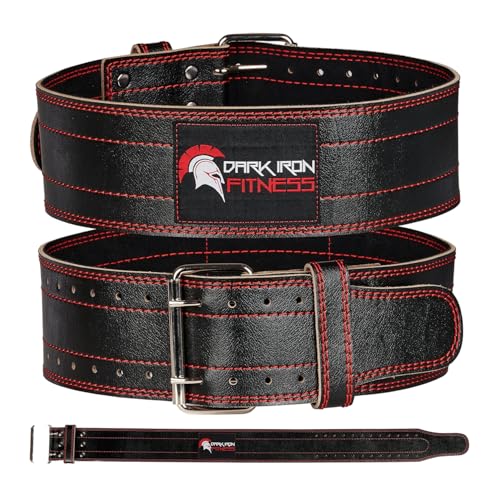
Dark Iron Fitness Genuine Leather Belt, 4 in Double ProngBest Traditional LeatherDark Iron Fitness Genuine Leather Belt, 4 in Double Prong4 inchesGenuine leatherDouble prong buckleSecond highest of sixn/a
RDX Cowhide Leather Weightlifting Belt, 4 or 6 inBest Sizing GuidanceRDX Cowhide Leather Weightlifting Belt, 4 or 6 inn/aGenuine cowhide leathern/an/a7 mm
POZTEV 9 mm Powerlifting Lever Leather Belt, 4 inBest Lever Belt ValuePOZTEV 9 mm Powerlifting Lever Leather Belt, 4 in4 inchesThick leatherLever, quick releaseCheapest of six9 mm, listed as 10 mm in text
Gymreapers 10 mm Lever Weightlifting Belt, Bovine LeatherBest Premium Lever BeltGymreapers 10 mm Lever Weightlifting Belt, Bovine Leathern/aBovine leather, soft liningLever buckleMost expensive of six10 mm

A weightlifting belt is a wide, stiff strap worn around the waist during heavy squats, deadlifts and presses. It gives the abdomen something to push against, which helps lifters brace, and it is made from leather, nylon or a mix.

For a beginner, the real questions are different from a competitor's: how easy it is to adjust, whether it digs in, and whether it is the right size. This guide compares closures, thickness and sizing with those buyers in mind.

Before you buy

6 Criteria to Look For Before Buying a Weightlifting Belt for Beginners

  1. 01

    Do you need a belt yet

    A belt helps you brace against heavier loads, not replace technique or core strength. Most new lifters can learn to brace without one for the first few months. If you add one, use it for your heaviest sets only. The common mistake is wearing it for every exercise from day one.

  2. 02

    Closure type

    A prong buckle, as on the Dark Iron, is traditional and cheap. A self-locking buckle, as on the Element 26, tightens by pulling the strap. A lever, as on the POZTEV and Gymreapers, clamps fast and holds firmly but needs setup. Beginners usually prefer prong or self-locking because they are forgiving.

  3. 03

    Thickness and stiffness

    Thickness decides rigidity: 7 mm like the RDX is easier to break in, while 10 mm like the Gymreapers is a wall. A thicker belt is not better for a beginner, since it restricts movement and takes weeks to soften. Choose the thinnest option that still feels firm when you brace.

  4. 04

    Width and torso fit

    Four inches is the standard width. The RDX offers six inches, which suits longer torsos but can dig into the ribs and hips for shorter ones. If the belt is wider than the gap between your ribs and hips, it will pinch when you squat. Check your torso length before choosing six inches.

  5. 05

    Sizing by waist

    Belts are sized by waist circumference, not pant size. The RDX chart gives S at 19 to 23 inches up to 3XL at 43 to 48 inches. Measure at the navel, and choose the size that leaves a few holes of adjustment on either side. A belt that is too long or too short is the top reason for returns.

  6. 06

    Material and upkeep

    Leather needs conditioning and drying to avoid cracking, while nylon wipes clean and does not stretch. Leather gets better with use, and nylon is ready on day one. If you train in a humid garage, nylon is lower maintenance, and leather needs more care.

Detailed reviews

The 5 best weightlifting belts for beginners, explained

01
Element 26 Self-Locking Nylon Weightlifting Belt, 4 in
4 in wideNylonSelf-lockingMetal buckle
Check price on Amazon
Best for: New lifters who want a belt that adjusts quickly and needs no break-in.

The Element 26 is a nylon belt with a self-locking metal buckle that engages automatically under load, so you tighten it by pulling the strap and it holds. The listing calls the nylon pliable and says it conforms to the body, with double reinforced stitching at stress points and a four inch width.

The tradeoff is that nylon is less rigid than thick leather. For a beginner working at moderate loads, that suppleness is an advantage, since it needs no break-in and does not dig into the ribs or hips. Compared with the Gymreapers 10 mm lever belt, it adjusts faster and costs less, but it will not give the same wall of resistance at heavy loads.

In ownership, nylon is low maintenance: wipe it down, let it dry, and check the buckle teeth and the stitching around the strap. It does not stretch out like leather, and the metal buckle is the part that sees the most stress. Sold in M and L, so measure your waist before choosing.

What works

  • Self-locking buckle tightens with one pull and holds under load without a lever
  • Nylon needs no break-in, so it is comfortable from the first session
  • Four inch width is a standard size that works for squats and deadlifts
  • Cleans with a damp cloth and does not stretch or crack like leather

Watch out for

  • Less rigid than thick leather, so it gives less resistance at heavy loads
  • Buckle teeth are the wear point and can loosen over years of use

Specs

Width
4 inches
Material
100% premium nylon
Closure
Full metal self-locking buckle
Stitching
Double reinforced
Sizes
Sold in M and L
02
Dark Iron Fitness Genuine Leather Belt, 4 in Double Prong
4 in wideGenuine leatherDouble prongDouble stitched
Check price on Amazon
Best for: Beginners who want a classic leather belt without a lever buckle.

The Dark Iron belt is a four inch leather belt with a double prong buckle, double-row stitching and reinforced edges. The listing describes it as balancing comfort with rigid support and says it contours to the body as it breaks in.

The tradeoff is break-in time and adjustment effort. A prong buckle with holes means you tighten in fixed steps and need to feed the strap through the keeper, which is slower than a self-locking buckle. Compared with the Element 26, it is stiffer and feels more traditional, but it needs a few weeks to soften. Compared with the lever belts, it is easier to adjust at home and much easier to wear on a smaller waist.

Ownership is simple: leather conditioner a few times a year, and keep it dry. Check the prong holes for elongation and the stitching for pulling. A leather prong belt can last years for a recreational lifter.

What works

  • Genuine leather with double-row stitching suits regular heavy sets
  • Double prong buckle holds the strap firmly without a lever mechanism
  • Four inch width gives a stable base for the lower back and core
  • Contours to your body as it breaks in, so fit improves over time

Watch out for

  • Fixed holes mean you cannot fine tune the tightness between sets
  • Needs a few sessions to soften and can feel stiff at first

Specs

Width
4 inches
Material
Genuine leather
Closure
Double prong buckle
Stitching
Double row, reinforced
Price position
Second highest of six
03
RDX Cowhide Leather Weightlifting Belt, 4 or 6 in
7 mm leather4 or 6 in10 holesPadded lumbar
Check price on Amazon
Best for: Beginners who want clear sizing and a choice between 4 and 6 inch widths.

The RDX belt is cowhide leather, 7 mm thick, available in a four inch or six inch width with ten adjustment holes and padded lumbar support. Its listing is the clearest about sizing, telling you not to trust your pant size and giving waist ranges from S at 19 to 23 inches up to 3XL at 43 to 48 inches.

The tradeoff is width and thickness. A six inch belt is more obtrusive for squatting, and a 7 mm belt is thinner than the 10 mm lever belts, so it will not feel as unyielding. Compared with the Dark Iron, it adds a padded lumbar and a wider size range, but the padding means a bit more bulk under the bar.

In ownership, measure at the navel, pick the belt size from the chart, and expect leather to soften. Pad stitching and holes are the wear points. If you are between sizes, the listed range helps you pick the larger one, which is easier than a belt that is too small.

What works

  • Detailed waist chart from 19 to 48 inches makes sizing straightforward
  • Choice of 4 or 6 inch width suits different torsos and lifts
  • Ten adjustment holes give finer tightness steps than a four hole belt
  • 7 mm genuine cowhide is stiff enough for support but easier to break in

Watch out for

  • Six inch width can dig into the ribs or hips for shorter torsos
  • Thinner than 10 mm belts, so it gives less rigidity at heavy loads

Specs

Thickness
7 mm
Width options
4 inch or 6 inch
Material
Genuine cowhide leather
Adjustment
10 holes
Sizing basis
Waist, not pant size
04
POZTEV 9 mm Powerlifting Lever Leather Belt, 4 in
9 mm leatherLever buckle4 in wideIPF style
Check price on Amazon
Best for: Lifters who plan to move up to heavy squats and want a rigid lever belt cheaply.

The POZTEV is a thick leather lever belt, and it is the cheapest of the six candidates. It uses a lever buckle that opens and closes in a second, with a four inch vertical back support and a listing that mixes nine and ten millimeter thickness claims.

The tradeoff is that a lever belt suits experienced lifters. It gives a very rigid wall, but you set the tightness by a screw, and it takes weeks to break in. For a beginner, it can be uncomfortable if the size is off. Compared with the Gymreapers lever belt it is cheaper and shares the same style, but there is less brand consistency.

Ownership centers on the lever. Adjust the screw to get a firm closing, keep the stitching dry, and condition the leather. The inconsistent thickness claim in the listing is a reason to expect a belt around nine to ten millimeters and to check it on arrival.

What works

  • Cheapest of the six candidates, so a lever belt costs the least here
  • Lever buckle opens and closes in a second between sets
  • Thick leather gives a very rigid wall of support for heavy lifting
  • Four inch width is standard for squats and deadlifts

Watch out for

  • Rigid and slow to break in, which can be unpleasant for a beginner
  • Listing quotes both 9 mm and 10 mm, so the exact thickness is unclear

Specs

Thickness
9 mm, listed as 10 mm in text
Width
4 inches
Closure
Lever, quick release
Material
Thick leather
Price position
Cheapest of six
05
Gymreapers 10 mm Lever Weightlifting Belt, Bovine Leather
10 mm leatherLever buckleBovine leatherHeavy duty
Check price on Amazon
Best for: Committed lifters who expect to train heavy for years and want a premium lever belt.

The Gymreapers is a 10 mm lever belt made of bovine leather with a soft lining and a heavy duty buckle, and it is the most expensive candidate. The listing aims at serious lifters and promises support and core stability at heavy loads.

The tradeoff is that it is far more belt than most beginners need. A 10 mm belt is stiff enough to restrict movement until it breaks in, and a lever mechanism needs setting up. Against the Element 26 nylon belt, it gives more rigidity but costs more and takes patience. It is a sensible buy if you are sure you will keep lifting heavy.

In ownership, set the lever tension, condition the leather and expect a few weeks of stiffness. The lining softens, and the buckle is built for repeated use. Because the belt is meant to last years, buying it once, rather than a cheap belt first, can make sense for committed lifters.

What works

  • 10 mm leather gives the most rigid support of the five belts here
  • Heavy duty lever buckle is built for repeated use at heavy loads
  • Bovine leather with a soft lining softens comfortably after break-in
  • A single buy can last years, so you avoid replacing a cheaper belt

Watch out for

  • Most expensive of the six candidates and more belt than most new lifters need
  • Stiff at first and needs lever set-up, which is a hassle for a beginner

Specs

Thickness
10 mm
Closure
Lever buckle
Material
Bovine leather, soft lining
Intended user
Powerlifters and heavy lifters
Price position
Most expensive of six

Spec decoder

What the listing measurements really mean

The numbers brands lead with, translated into what they tell you about fit, comfort and wear at home.

Belt thickness (mm)

Thickness is measured in millimeters of leather. More thickness means a stiffer belt and a firmer wall.

Watch forThe POZTEV listing mixes 9 and 10 mm, so expect a thick belt and check on arrival.

Belt width (in)

Width is the vertical height of the belt in inches. A wider belt covers more of the torso.

Watch forFour inches is standard, and only the RDX offers a 6 inch option.

Closure mechanism

The buckle sets how quickly and how tightly you can close the belt. Prong is slow and cheap, lever is fast and rigid.

Watch forThe Element 26 self-locking buckle engages automatically under load, which is not the same as a lever.

Waist size range

The size chart tells you which waist measurement each size fits. Size by tape measure, not clothing size.

Watch forRDX publishes a full chart from 19 to 48 inches, and others only list M and L.

Stitching and reinforcement

Double-row stitching spreads load across the belt and keeps layers from separating at stress points.

Watch forThe Element 26 and Dark Iron both list reinforced or double-row stitching.

Methodology

How We Evaluated These Weightlifting Belts for Beginners

Suitability for a new lifter

We evaluated each belt on how forgiving it is for someone with no belt experience: break-in time, adjustment speed and comfort. The Element 26 needs no break-in, while the Gymreapers needs weeks.

Closure and adjustment

We compared prong, self-locking and lever systems from the published listings. A beginner usually benefits from a faster, simpler closure, which is why the Element 26 and Dark Iron lead.

Sizing clarity

We favored listings that explain sizing. The RDX gives waist ranges from 19 to 48 inches, which reduces the most common purchase error. We did not measure belts ourselves.

Build and upkeep

We looked at leather thickness, stitching and buckle design, based on specifications and owner feedback patterns. Leather needs conditioning and nylon does not, which affects long-term care.

Value and honesty

We placed the cheapest lever belt, the POZTEV, against the premium Gymreapers. We noted inconsistent claims, such as the 9 versus 10 mm, and avoided health claims, since belts are tools, not medical devices.

Decision guide

How to Choose the Right Weightlifting Belts for Beginners

By Belt Closure

SituationPickWhy
Fast adjustment, no setupElement 26 Self-LockingPull the strap and the buckle holds
Traditional prong feelDark Iron LeatherDouble prong buckle on 4 in leather
More hole adjustmentRDX 4 or 6 inTen holes and a padded lumbar
Quick lever clampPOZTEV or GymreapersLever opens in a second between sets

By Budget

SituationPickWhy
Lowest cost leatherPOZTEV Lever BeltCheapest of the candidates
Low cost nylonElement 26Second and third lowest tier
Mid-priced leatherRDX 4 or 6 inMiddle of the price order with a size chart
Premium, buy onceGymreapers 10 mmHighest tier, built for years of heavy use

Nylon vs Leather

Nylon belts

The Element 26 needs no break-in, wipes clean and adjusts instantly, but it is less rigid at heavy loads.

Leather belts

The Dark Iron, RDX, POZTEV and Gymreapers are stiffer and last for years, but need break-in, conditioning and more careful sizing.

Choose nylon if you are new and training moderate loads, and leather once you are lifting heavy and plan to keep going.

By Thickness

SituationPickWhy
Flexible, comfortable first beltElement 26Pliable nylon with no break-in
Medium stiffness leatherRDX 7 mmThinner leather, softens sooner
Very stiff leatherPOZTEV 9 mmThick leather lever belt
Maximum stiffnessGymreapers 10 mmThickest leather of the group

For Beginners Specifically

Look for

A forgiving closure, a clear size chart, and moderate stiffness. Use it only on the heaviest working sets and keep learning to brace without it.

In this comparison

The Element 26 and Dark Iron are the easiest starts, and the RDX gives the clearest sizing guidance.

When to Spend More

Spend more if

You are already lifting heavy, expect to train for years, and want a 10 mm lever belt such as the Gymreapers.

Save if

You are new. A nylon or prong belt tells you whether you will use a belt at all, and costs less than a premium lever belt.

Ownership

Maintenance schedule

The upkeep that decides whether a piece still looks good in year five.

TaskIntervalWhy it matters
Wipe the belt dryAfter every sessionSweat damages leather and weakens stitching. A dry cloth after training prevents salt build up.
Condition leather beltsA few times a yearLeather cracks if it dries out. A light coat of conditioner keeps it supple without softening it too much.
Inspect stitching and buckleMonthlyLoose threads, enlarged holes and bent prongs are early failure signs. Catching them prevents a belt from letting go mid-lift.
Check the lever tensionEvery few months, lever belts onlyThe lever screw can loosen over time. Re-tighten it so the lever closes firmly and does not pop open.
Store flat or hungBetween sessionsFolding a stiff belt creates creases that weaken it. Hang it or lay it flat away from heat.

FAQ

Frequently Asked Questions

Should a beginner use a lifting belt?

Not at first. Most new lifters should learn technique and bracing without one, then add a belt for the heaviest sets. A belt is a tool, not a fix, and this guide cannot say it prevents injury.

Is a leather or nylon belt better for a beginner?

Nylon is easier to start with because it needs no break-in and adjusts quickly. Leather is stiffer and lasts longer. Pick nylon to start and leather when your loads increase.

How much should I spend on a first belt?

Little. A nylon or low-cost leather belt shows whether you will use one. Save the 10 mm lever belts, which are the most expensive here, for after you are sure.

Is a thicker belt always better?

No. A 10 mm belt is stiff and takes weeks to break in, and it can restrict a new lifter's movement. Seven millimeters is often enough, and a thicker belt rewards heavier lifting.

How do I size a lifting belt?

Measure your waist at the navel and compare it to the size chart. The RDX chart runs from 19 inches for S to 48 inches for 3XL. Do not use your pant size.

What width should I get?

Four inches is the standard and fits most people. A six inch belt, like the RDX option, suits longer torsos but can dig into the ribs or hips on a shorter frame.

Bottom line

The short version

Browse more weightlifting belts for beginnerson Amazon →
Brianna Cole, Lead Product Editor

About the author

Brianna Cole

Lead Product Editor, SenseiReview

Brianna Cole leads SenseiReview's buying guides, turning published specifications, documentation and owner feedback patterns into clear verdicts across home, tech, fitness, outdoor and DIY products.

More from Brianna →

Keep reading

Related guides