
Amazon affiliate links - we earn a commission.Affiliate disclosure

Buying guide · 12 min read · Updated 2026-11-27

Best Budget Bench Vises (2026)

Budget bench vises compared on jaw width, iron type, swivel locks, pipe jaws and mounting, with notes on gray versus ductile iron and when to step up.

Brianna Cole, Lead Product EditorBy Brianna ColeLead Product Editor6 picks comparedSpec-sheet verified
Best Budget Bench Vises

At a glance

Our top picks

Side by side

Spec comparison

PieceJaw widthMaterialJawsPrice tierBase
WORKPRO Bench Vise, 4-1/2 Inch Heavy Duty Multipurpose Vise for Workbench, Utility Combination Pipe and Home ViseBest Overall BudgetWORKPRO Bench Vise, 4-1/2 Inch Heavy Duty Multipurpose Vise for Workbench, Utility Combination Pipe and Home Vise4.5 inchesGray iron bodyMulti-jaw design for flat and round stockLowest in this lineupn/a
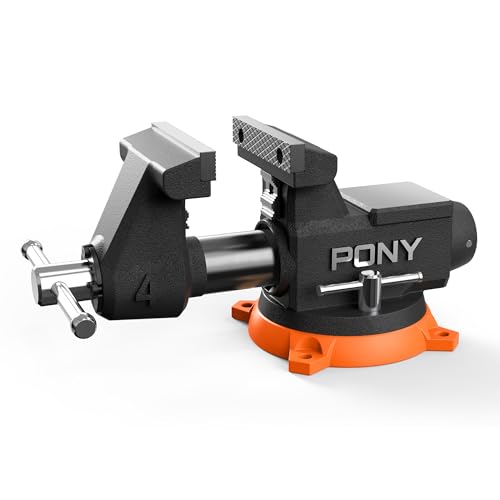
PONY 4 Inch Heavy Duty Bench Vise with 4400 lb Clamping Force and 360 Degree Rotatable BaseBest Compact Heavy DutyPONY 4 Inch Heavy Duty Bench Vise with 4400 lb Clamping Force and 360 Degree Rotatable Base4 inchesn/an/aLow in this lineup360 degree rotatable
WORKPRO Dual Jaws Table Vise 2.5 Inch and 1.5 Inch, 360 Degree Swivel Clamp-On Bench ViseBest Clamp-On PortableWORKPRO Dual Jaws Table Vise 2.5 Inch and 1.5 Inch, 360 Degree Swivel Clamp-On Bench Visen/an/a2.5 inch serrated and 1.5 inch smoothLow in this lineup360 degree swivel base and head
VEVOR Bench Vise, 6 Inch Jaw Width, 5.9 Inch Jaw Opening, 360 Degree Swivel Locking Base with AnvilBest Larger JawVEVOR Bench Vise, 6 Inch Jaw Width, 5.9 Inch Jaw Opening, 360 Degree Swivel Locking Base with Anvil6 inches, 5.9 inch opening60,000 PSI ductile iron, powder coatedn/aLow to middle in this lineup360 degree swivel locking base
Forward CR40A 4.5 Inch Bench Vise Heavy Duty with Anvil and 210 Degree Swivel BaseBest Ductile Iron CompactForward CR40A 4.5 Inch Bench Vise Heavy Duty with Anvil and 210 Degree Swivel Base4.5 inches, 5 inch opening60,000 PSI ductile ironTwo sets, flat and pipeMiddle of this lineupn/a
Wilton 6 Inch Apprentice Bench Vise, Pipe Jaws, 360 Degree Swivel Base, Ductile Iron, Model WVA6Best Step-Up PickWilton 6 Inch Apprentice Bench Vise, Pipe Jaws, 360 Degree Swivel Base, Ductile Iron, Model WVA66 inches, 6 inch opening, 3.75 inch throat72,000 PSI ductile iron, enclosed bullet designn/aTop of this lineup360 degree swivel, two lockdowns, anvil

A bench vise is the second pair of hands at a workbench, holding work steady for sawing, filing, drilling and bending. Cheap vises can be perfectly adequate for light work, but the material, the swivel lock and the way the vise is mounted decide how long it lasts. The vise is only as good as the bench under it, so a solid top, through bolts and a sensible location matter as much as the vise itself.

This guide compares six budget bench vises, including a clamp-on model and one step-up. We evaluated each on published specifications, jaw size, iron type, swivel design and owner feedback patterns, and we avoid price figures because prices change. Relative price tiers show where each model sits, and the reasons for each rank are explained.

Before you buy

6 Criteria to Look For Before Buying a Budget Bench Vise

  1. 01

    Jaw width and opening

    Jaw width tells you how wide a piece it can grip, and the opening tells you how big a piece fits. A 4 to 4.5 inch vise suits hobby work, and 6 inches suits garage and shop use. Larger jaws need a stronger bench. Choose by the stock you hold most often. Before buying, measure the thickest stock you expect to hold and check that the opening is comfortably larger.

  2. 02

    Iron type

    Gray iron is cheaper but brittle, and it can crack if hammered or overloaded. Ductile iron is tougher and handles shock better. The VEVOR, Forward and Wilton list ductile iron. For anything beyond light use, ductile iron is worth the small extra. Ductile iron castings are usually marked in PSI, and a higher figure suggests a stronger casting, though it is still a manufacturer claim.

  3. 03

    Swivel base and locks

    A swivel base lets you rotate the work, but it adds a weak point. Look for a firm lock and, ideally, two lockdown points. Always lock the base before heavy work. A swivel that slips under load is a common complaint. If you plan to rotate heavy work, check how the swivel locks and whether the lock handles are easy to reach.

  4. 04

    Pipe jaws and anvil

    Pipe jaws hold round stock such as tube and pipe, and an anvil area allows light shaping. Neither replaces a dedicated anvil. Check that the pipe jaws are replaceable. They are a bonus on a general vise. Use soft jaw caps of aluminum, copper or leather to protect finished surfaces from serrated jaws.

  5. 05

    Mounting

    A bench vise needs a thick, rigid bench and through bolts with washers. Clamp-on vises suit light work and tables. A weak bench makes a good vise feel poor. Check the bolt pattern and hole sizes. Mark and drill the bench carefully, and add a steel plate under the bench top if the wood is thin.

  6. 06

    Clamping force claims

    Clamping force figures are manufacturer claims and not directly comparable, because test methods vary. They are a rough guide. Build quality and iron type say more than the number. Treat large claims with caution. Do not use a clamping force figure to compare brands, because the testing methods are not standardised.

Detailed reviews

The 6 best budget bench vises, explained

01
WORKPRO Bench Vise, 4-1/2 Inch Heavy Duty Multipurpose Vise for Workbench, Utility Combination Pipe and Home Vise
4.5 in jawGray ironPipe jawsMulti-jaw
Check price on Amazon
Best for: Occasional DIY users who want the lowest-cost vise with pipe jaws.

The WORKPRO 4.5 inch bench vise is a gray iron, multi-jaw vise that holds both flat and round work and includes pipe jaws. It is the lowest-cost vise here and suits a home workbench and light shop jobs. The listing stresses easy installation for beginners.

A 4.5 inch jaw is the standard size for hobby work, and the multi-jaw design lets you clamp pipe and tube without extra tools. Compared with the Forward CR40A, it is cheaper but made of gray iron rather than ductile iron. Compared with the PONY 4 inch, it has a larger jaw but less clamping force claimed. Many owners keep a vise like this for years of light jobs such as holding a pipe for cutting, gripping a bolt for filing or steadying a part for drilling.

Gray iron is more brittle than ductile iron, so avoid hammering on the jaws or the body, and use a sturdy workbench with through bolts. It suits occasional DIY users who want a low-cost vise.

What works

  • Lowest price tier
  • 4.5 inch jaws suit home work
  • Multi-jaw design holds pipe
  • Easy to install

Watch out for

  • Gray iron is more brittle
  • Lower clamping rating
  • Hammering can crack it

Specs

Jaw width
4.5 inches
Material
Gray iron body
Jaws
Multi-jaw design for flat and round stock
Use
Home and light shop work
Price tier
Lowest in this lineup
02
PONY 4 Inch Heavy Duty Bench Vise with 4400 lb Clamping Force and 360 Degree Rotatable Base
4 in jaw360 swivelEnclosed designPro workshop
Check price on Amazon
Best for: Small workshops that want a swivel base and dust protection.

The PONY 4 inch bench vise lists 4400 lb of clamping force and a smooth 360 degree swivel base. The enclosed rear design keeps dust out of the mechanism, which helps in a dusty wood shop. It is a compact option for a smaller bench at a low price tier.

A swivel base lets you turn the work without unclamping, which is handy for filing and drilling from several angles. Compared with the WORKPRO, it has a lower jaw width but a stronger claimed clamping force and a swivel. Compared with the VEVOR 6 inch, it is smaller. Because the base turns, you can reposition work for a better angle without unclamping, which saves time on awkward jobs.

Clamping force figures are manufacturer claims, so use them as a rough guide. Bolt it to a solid bench and lock the swivel before applying force. It suits small shops and garage workbenches.

What works

  • 360 degree swivel base
  • Enclosed rear design
  • Claimed high clamping force
  • Compact size

Watch out for

  • Clamping figure is a claim
  • Smaller jaw
  • Swivel lock needs care

Specs

Jaw width
4 inches
Clamping force
4400 lb claimed
Base
360 degree rotatable
Design
Fully enclosed rear, dustproof
Price tier
Low in this lineup
03
WORKPRO Dual Jaws Table Vise 2.5 Inch and 1.5 Inch, 360 Degree Swivel Clamp-On Bench Vise
Clamp-onDual jaws360 swivelPortable
Check price on Amazon
Best for: Hobbyists and renters who want a small vise that clamps to a table.

The WORKPRO dual jaw table vise has a 2.5 inch serrated jaw and a 1.5 inch smooth jaw, a 360 degree swivel base and head, and a clamp-on or bolt-down mounting. It is a small vise for hobby work, crafts and light repair. It sits near the bottom of the price range.

Clamp-on mounting means it can attach to a table edge without drilling, which suits renters and apartment workshops. Compared with the 4.5 inch vises, it is far smaller and lighter duty. Compared with a full bench vise, it is a convenience tool and not a replacement. Because it clamps on, you can store it in a cupboard and bring it out for a project, which suits a shared space or a small flat.

Do not use it for heavy filing or hammering, and clamp it to a thick, solid edge. The listing says the mounting bolts are not included. It suits hobbyists who need portability.

What works

  • Clamp-on mounting needs no drilling
  • Dual jaws for different work
  • 360 degree swivel
  • Portable and light

Watch out for

  • Light duty only
  • Small jaw capacity
  • Bolts not included

Specs

Jaws
2.5 inch serrated and 1.5 inch smooth
Base
360 degree swivel base and head
Mounting
Clamp-on or bolt-down
Use
Hobby, crafts and light repair
Price tier
Low in this lineup
04
VEVOR Bench Vise, 6 Inch Jaw Width, 5.9 Inch Jaw Opening, 360 Degree Swivel Locking Base with Anvil
6 in jawDuctile ironAnvil360 swivel
Check price on Amazon
Best for: Garage users who want a larger jaw and ductile iron on a budget.

The VEVOR 6 inch bench vise is forged from ductile iron with a powder coat finish, and it adds a 5.9 inch jaw opening, an anvil area and a 360 degree swivel locking base. The ductile iron claim is a meaningful step up from gray iron for toughness. It is a larger vise for a garage workshop.

A 6 inch jaw handles larger stock and gives more clamping area, and the anvil is handy for light shaping. Compared with the WORKPRO 4.5 inch, it has a bigger capacity and a tougher material. Compared with the Wilton, it is cheaper but less established. A larger jaw also gives more surface to protect delicate work with soft jaw caps, which woodworkers and hobbyists often add.

Lock the swivel before heavy work, and bolt the vise through a solid bench top. It suits home mechanics and metalworkers who want capacity at a budget tier.

What works

  • Ductile iron body
  • 6 inch jaw width
  • Anvil and swivel base
  • Accessory kit included

Watch out for

  • Heavy to move
  • Less established brand
  • Swivel lock needs checking

Specs

Jaw width
6 inches, 5.9 inch opening
Material
60,000 PSI ductile iron, powder coated
Anvil
2.9 by 3 inch anvil area
Base
360 degree swivel locking base
Price tier
Low to middle in this lineup
05
Forward CR40A 4.5 Inch Bench Vise Heavy Duty with Anvil and 210 Degree Swivel Base
4.5 in jawDuctile ironAnvil6600 lb claim
Check price on Amazon
Best for: Users who want a sturdy, compact ductile iron vise with replaceable jaws.

The Forward CR40A is a 4.5 inch vise cast from 60,000 PSI ductile iron with an anvil and a 210 degree swivel base. It comes with two sets of machined jaws, including replaceable flat jaws, and lists a clamping force of 6600 lb. It sits in the middle of the lineup on price.

Ductile iron resists cracking better than gray iron, and replaceable jaws extend its life. Compared with the WORKPRO 4.5 inch, it costs more and has a more durable body. Compared with the PONY, it has a larger jaw and a higher claimed clamping figure. Replaceable jaws are a small feature that make a large difference, since worn serrations are the most common reason a vise slips.

The swivel is limited to 210 degrees, which is enough for most work. Bolt it down properly and avoid striking the jaws. It suits users who want a sturdy compact vise.

What works

  • Ductile iron body
  • Replaceable jaws, flat and pipe
  • Anvil included
  • Higher claimed clamping force

Watch out for

  • Swivel is 210 degrees only
  • Mid-range tier
  • Claims are from the listing

Specs

Jaw width
4.5 inches, 5 inch opening
Material
60,000 PSI ductile iron
Clamping force
6600 lb claimed
Jaws
Two sets, flat and pipe
Price tier
Middle of this lineup
06
Wilton 6 Inch Apprentice Bench Vise, Pipe Jaws, 360 Degree Swivel Base, Ductile Iron, Model WVA6
6 in jaw72,000 PSI ironPipe jawsTwo lockdowns
Check price on Amazon
Best for: Frequent users who want a long-lived, brand-name 6 inch vise.

The Wilton WVA6 is a 6 inch apprentice vise cast from 72,000 PSI ductile iron in an enclosed bullet design, with a 6 inch opening, a 3.75 inch throat depth and a built-in pipe vise. The base swivels 360 degrees and locks with two lockdowns, and it has an anvil. It sits at the top of this lineup on price and is the step-up pick.

Wilton is a long-standing vise brand, and the higher-strength iron and two-point lockdown are the features that justify the higher cost. Compared with the VEVOR 6 inch, it has a stronger casting claim and a more established brand. Compared with the budget vises, it is a vise you can keep for decades. The enclosed screw design means chips and dust stay out of the thread, which is one reason the brand has a long reputation for lasting.

An enclosed design keeps debris off the screw, and the pipe jaws handle round stock. Mount it to a heavy bench. It suits buyers who will use a vise often and hard.

What works

  • 72,000 PSI ductile iron casting
  • Two lockdowns on the swivel base
  • Built-in pipe vise and anvil
  • Established vise brand

Watch out for

  • Top price tier here
  • Heavy and needs a strong bench
  • More vise than casual users need

Specs

Jaw width
6 inches, 6 inch opening, 3.75 inch throat
Material
72,000 PSI ductile iron, enclosed bullet design
Base
360 degree swivel, two lockdowns, anvil
Clamping
Up to 8300 lb claimed
Price tier
Top of this lineup

Spec decoder

What the listing measurements really mean

The numbers brands lead with, translated into what they tell you about fit, comfort and wear at home.

Ductile iron

A tougher cast iron that resists cracking under shock. It is the figure that most affects how well the vise handles shock.

Watch forListed on the VEVOR, Forward and Wilton.

Gray iron

A cheaper, more brittle cast iron. Brittleness is the downside, so avoid striking the body.

Watch forListed on the WORKPRO 4.5 inch.

Throat depth

The distance from the jaw to the body, which limits how deep work can reach. A deeper throat lets you hold longer work against the bench.

Watch forThe Wilton lists 3.75 inches.

Swivel lock

A mechanism that holds the base at the chosen angle. Check for a pin or lever that locks the base firmly in place.

Watch forTwo lockdowns are better than one.

Pipe jaws

Grooved jaws that hold round stock. Replaceable pipe jaws are useful because round work wears the teeth faster.

Watch forSeveral vises here include them.

Methodology

How We Evaluated These Budget Bench Vises

Build and materials

We compared iron types, jaw sizes and finishes from published specifications and owner feedback patterns. Our scores are editorial assessments, not measurements. We also compared how listings describe mounting, since a vise on a poor bench performs poorly.

Swivel and locks

We noted swivel range, lock design and complaints about slipping. We looked at swivel range and lock design because the swivel is the usual failure point.

Capacity

We compared jaw width, opening and throat depth. We noted which models list replaceable jaws or an enclosed screw.

Reliability

We weighed owner comments about cracked castings, loose handles and stripped screws, and discounted unsupported claims. We looked for repeated mentions of cracked castings and slipping locks across owner comments.

Value

We judged each model by relative price tier and avoided price figures. The Wilton WVA6 is labeled a step-up. Clamping force claims were treated as marketing. We also gave credit to listings that explain what is and is not included, such as bolts and jaw caps.

Decision guide

How to Choose the Right Budget Bench Vises

By Need

SituationPickWhy
Lowest costWORKPRO 4.5 inchBasic.
Small shopPONY 4 inchCompact.
PortableWORKPRO dual jawClamp-on.
Larger stockVEVOR 6 inchCapacity.

By Use

SituationPickWhy
Hobby craftsWORKPRO dual jawLight duty.
Garage repairVEVOR 6 inchDuctile iron.
MetalworkForward CR40AReplaceable jaws.
Daily useWilton WVA6Lifetime build.

Gray vs Ductile Iron

Gray iron

Cheaper and fine for light work, but brittle if hammered.

Ductile iron

Tougher and more forgiving, worth the extra for regular use.

Choose ductile iron for anything beyond light use.

By Budget Tier

SituationPickWhy
LowestWORKPRO 4.5 inchBasic.
LowPONY 4 inchCompact.
Low to middleVEVOR 6 inchLarger.
Top of lineupWilton WVA6Step-up.

What to Look For

Material

Ductile iron and a solid casting matter most.

Locks

Two lockdowns and a firm lever improve safety.

When to Spend More

Spend more if

You use a vise often or work with heavy stock.

Save if

You need a vise for occasional home jobs.

Ownership

Maintenance schedule

The upkeep that decides whether a piece still looks good in year five.

TaskIntervalWhy it matters
Oil the screw and slideEvery few monthsA light oil keeps the screw turning smoothly and prevents rust. Wipe off excess so it does not collect dust.
Check mounting boltsSeasonallyLoose bolts let the vise shift and can damage the bench. Use thread locker if a bolt keeps working loose.
Keep jaws cleanAfter useChips and grit in the jaws mar work and wear the faces. A brass brush clears the serrations when they fill with swarf.
Lock the swivelBefore useA loose swivel under load is unsafe. Never use a cheater bar on the lock lever.
Store dryOngoingRust forms on bare iron. Wipe with oil in damp spaces. A light coat of oil on bare surfaces prevents surface rust.

FAQ

Frequently Asked Questions

What size vise do I need?

A 4 to 4.5 inch vise suits home work, and 6 inches suits larger garage jobs. Choose by the size of stock you hold. Think about future projects, because the cost of a bigger vise is small compared with replacing one. Wear eye protection whenever you cut or grind work held in a vise.

Can I hammer on a vise?

Light hammering on the jaws is common but risky, especially on gray iron. Use the anvil area only for light work. Use a block of wood to take the blow and keep the force away from the jaws.

Is ductile iron worth it?

Yes for regular use, because it resists cracking. Gray iron suits light work. The extra cost for toughness is small compared with replacing a cracked vise.

How do I mount it?

Bolt it through a thick, rigid bench with washers and nuts underneath. Clamp-on vises suit light tasks. Use bolts that pass fully through the bench rather than lag screws that can pull out.

Do I need a swivel base?

It is convenient but not essential. A fixed base is simpler and sometimes stronger. Most work does not need one, but it saves time when you do need an angle.

Should I buy the Wilton step-up?

Buy it if you use a vise often. A budget vise is fine for occasional jobs. The step-up is mostly for casting strength, lock design and longevity.

Bottom line

The short version

Browse more budget bench viseson Amazon →
Brianna Cole, Lead Product Editor

About the author

Brianna Cole

Lead Product Editor, SenseiReview

Brianna Cole leads SenseiReview's buying guides, turning published specifications, documentation and owner feedback patterns into clear verdicts across home, tech, fitness, outdoor and DIY products.

More from Brianna →

Keep reading

Related guides