
Amazon affiliate links - we earn a commission.Affiliate disclosure

Buying guide · 12 min read · Updated 2026-11-21

Best Foam Rollers (2026)

Six foam rollers compared on density, surface texture, length, hollow versus solid cores and durability, with picks for recovery, rehab, travel and beginners.

Brianna Cole, Lead Product EditorBy Brianna ColeLead Product Editor6 picks comparedSpec-sheet verified
Best Foam Rollers

At a glance

Our top picks

Side by side

Spec comparison

PieceLengthSurfaceCoreBest useDensity
TriggerPoint GRID 2.0 foam roller, 26 inch multi-density EVA with hollow coreBest OverallTriggerPoint GRID 2.0 foam roller, 26 inch multi-density EVA with hollow core26 inchesPatented multi-density surface patternHollow, rigid core for durabilityBack, legs and general recoveryn/a
OPTP PRO-Roller soft density foam roller, 36 by 6 inch roundBest Soft RollerOPTP PRO-Roller soft density foam roller, 36 by 6 inch round36 inches by 6 inchesn/an/aGentle rolling and spinal alignment workSoft
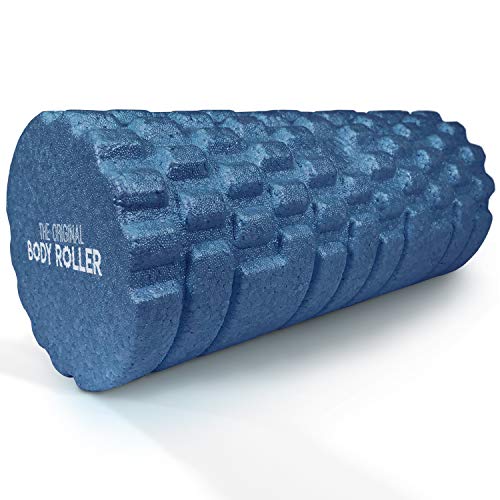
Original Body Roller high density foam roller with 3D textureBest Aggressive TextureOriginal Body Roller high density foam roller with 3D texturen/aPatented 3D textureFirm foam bodyExperienced users who want deep pressureHigh density
321 STRONG patented 3-zone massage roller, medium densityBest Zoned Design321 STRONG patented 3-zone massage roller, medium densityn/aZoned texturen/aUsers who want varied pressure from one rollerMedium
TriggerPoint Performance Therapy GRID foam roller, original 13 inchBest Travel SizeTriggerPoint Performance Therapy GRID foam roller, original 13 inch13 inchesGRID multi-density surfaceHollow coreTravel and gym bagsn/a
Amazon Basics high-density foam roller, 18 inch blackBest ValueAmazon Basics high-density foam roller, 18 inch black18 inchesSmoothn/aBasic recovery on a budgetHigh density foam

A foam roller is a cylinder you roll over to massage muscles and fascia, a technique called self-myofascial release. People use it before workouts to warm up, afterward to ease soreness and on rest days to loosen tight spots in the back, hips and legs.

The details that matter are density, texture, length and build. Soft rollers are gentle and suit beginners, firm rollers push deeper and textured rollers target knots but can be intense. We evaluated six rollers from the candidate pool using published specifications, listing details and patterns in owner feedback, then ranked them by fit for real recovery routines rather than by marketing claims.

Before you buy

6 Criteria to Look For Before Buying a Foam Roller

  1. 01

    Density: soft, medium or firm

    Soft rollers compress easily and are gentle, medium rollers balance comfort and pressure and firm rollers push deeper. Beginners and people with sore muscles should start soft or medium. The mistake is buying the firmest roller because it sounds more effective, then avoiding it because it hurts. Pick the level you will actually use. Press a thumb into the foam of a roller before you buy or after it arrives, and judge how far it sinks, since that tells you more than the word soft or firm.

  2. 02

    Surface texture

    Smooth rollers spread pressure evenly, while textured rollers add ridges or bumps that dig into tight spots. Texture can speed up release but is more intense. A smooth roller is better for warm-ups, and a textured one is better for targeted work. Start smooth and move to texture as tolerance grows. Think about the muscle you roll most, and choose a length that lets you cover it without stretching your arms awkwardly.

  3. 03

    Length and diameter

    A 36 inch roller lets you lie on it lengthwise for spinal work and balance exercises. An 18 to 26 inch roller covers most muscle work, and a 12 to 13 inch roller is for travel. Diameter of about 5 to 6 inches suits most users. Pick length by where you will use it. If you have a sensitive area, begin on a softer roller and spend less time on the first few sessions to see how your body responds.

  4. 04

    Hollow core vs solid foam

    Hollow core rollers have a rigid tube wrapped in foam, which keeps their shape for years. Solid foam rollers are cheaper but compress and flatten. For regular use, a hollow core lasts longer. For occasional use, solid foam is fine. Look at how the surface feels on bare skin, because a rough pattern can chafe on legs without leggings.

  5. 05

    Technique and where not to roll

    Roll slowly over muscle, pausing on tender spots for 20 to 30 seconds, and avoid rolling directly over joints, bones or the lower back. Sharp pain is a sign to stop. Rolling does not replace medical advice for injuries. A roller is a tool, and technique matters. Decide where it will live, since a roller left in a visible spot is used far more than one in a closet.

  6. 06

    Storage and portability

    A roller that is hard to store may not get used. Short rollers fit in a bag, and long ones need a corner of a room. Some rollers have hollow cores that hold small items. Check the length against your space. Skip the lower back and joints, and ask a clinician for guidance if a spot hurts.

Detailed reviews

The 6 best foam rollers, explained

01
TriggerPoint GRID 2.0 foam roller, 26 inch multi-density EVA with hollow core
26 in lengthMulti-density EVAHollow coreTextured surface
Check price on Amazon
Best for: Active people who want a durable, medium-firm roller for back and legs.

The GRID 2.0 is a 26 inch roller with a rigid hollow core wrapped in EVA foam and a surface pattern with different densities. The maker says the pattern replicates the hands of a massage therapist, and the raised and recessed sections apply varied pressure. The hollow core keeps the shape over time.

The tradeoff is firmness and cost. The pattern feels firm to a beginner, and it costs more than a plain foam cylinder. Compared with the OPTP soft roller, it is firmer and more targeted. Compared with the Original Body Roller, it is less aggressive but more refined.

Ownership is easy. Wipe it clean, avoid sharp objects and replace it when the foam breaks down. Owner feedback patterns on GRID rollers say they hold their shape for years, and the pattern feels intense at first.

What works

  • Rigid hollow core keeps its shape for years
  • Multi-density surface adds varied pressure
  • 26 inch length suits back and legs
  • Sturdy brand with a long track record

Watch out for

  • Feels firm to beginners
  • Costs more than plain foam rollers
  • Textured surface can feel intense on sore areas

Specs

Length
26 inches
Material
Multi-density EVA foam over a hollow core
Surface
Patented multi-density surface pattern
Core
Hollow, rigid core for durability
Best use
Back, legs and general recovery
02
OPTP PRO-Roller soft density foam roller, 36 by 6 inch round
36 in lengthSoft densityRoundPilates and PT
Check price on Amazon
Best for: Beginners, rehab and balance work where a gentle surface helps.

The OPTP PRO-Roller is a 36 inch, soft density round foam roller used in physical therapy, Pilates and balance work. The long length lets you lie along it to support the spine and rolls gently rather than digging into muscle. It is a classic shape in clinics.

The tradeoff is firmness and portability. A soft roller compresses over time and does not give deep tissue pressure, and a 36 inch cylinder is awkward to carry. Compared with the GRID 2.0, it is softer and more forgiving but less effective for knots. Compared with the Amazon Basics, it is longer and softer.

Ownership is simple. Wipe it down, store it away from heat and replace it when it flattens. Owner feedback patterns on soft rollers say that they are good for beginners and balance work, and they lose firmness with use.

What works

  • Soft density is forgiving for beginners and rehab
  • 36 inch length supports the whole spine
  • Classic shape used in physical therapy
  • Good for balance and Pilates routines

Watch out for

  • Compresses and flattens over time
  • Gives little deep tissue pressure
  • Long length is awkward to carry

Specs

Length
36 inches by 6 inches
Density
Soft
Shape
Round full-length roller
Use
Physical therapy, Pilates and balance work
Best use
Gentle rolling and spinal alignment work
03
Original Body Roller high density foam roller with 3D texture
High density3D texturePatented patternDeep tissue
Check price on Amazon
Best for: Experienced users who want a firm, textured roller for deep tissue work.

The Original Body Roller is a high density roller with a patented 3D textured surface that digs into muscle. The firm foam and raised pattern are meant for deep tissue work and trigger points. It is aimed at athletes who find smooth rollers too mild.

The tradeoff is intensity. A firm, textured roller is painful for beginners and can bruise sensitive tissue. Compared with the GRID 2.0, it is more aggressive and less refined. Compared with the 321 STRONG, it covers more surface but with less variety of zones.

Ownership requires judgment. Roll slowly, avoid joints and the lower back and stop if pain is sharp. Owner feedback patterns on textured rollers say they are very effective for experienced users, and too intense for beginners.

What works

  • High density foam gives deep pressure
  • 3D texture targets knots
  • Durable firm foam
  • Good for large muscle groups

Watch out for

  • Painful for beginners
  • Can bruise sensitive tissue
  • Less versatile for rehab

Specs

Density
High density
Surface
Patented 3D texture
Core
Firm foam body
Use
Deep tissue release and trigger points
Best use
Experienced users who want deep pressure
04
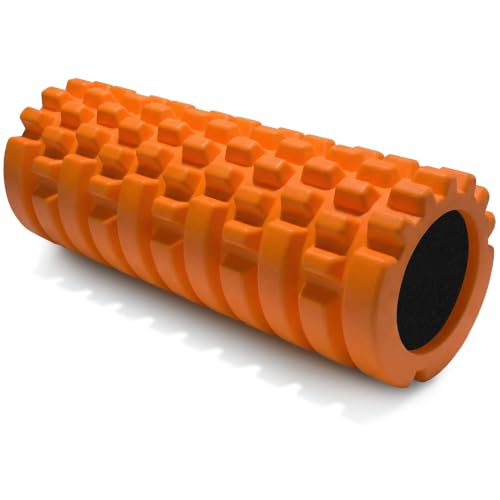
321 STRONG patented 3-zone massage roller, medium density
3 zonesMedium densityThree massage zonesTextured
Check price on Amazon
Best for: Users who want varied pressure zones in a medium density roller.

The 321 STRONG roller has three zones patterned to mimic palm, finger and thumb pressure, in a medium density foam. The zones let you pick the intensity by moving along the roller. It aims to feel like a massage from a therapist.

The tradeoff is size and subtlety. The roller is smaller than a full-length model, and the zones can feel uneven on larger muscles. Compared with the GRID 2.0, it offers more distinct zones but less length. Compared with the Original Body Roller, it is softer and more varied.

Ownership is easy. Wipe it clean and choose the zone that suits the area. Owner feedback patterns on zoned rollers say they are effective but the pattern needs some getting used to.

What works

  • Three zones give varied pressure on one roller
  • Medium density suits most users
  • Textured surface targets knots
  • Compact enough for a gym bag

Watch out for

  • Shorter than full-length rollers
  • Zones can feel uneven on large muscles
  • Pattern takes time to learn

Specs

Design
Three textured zones that mimic palm, finger and thumb pressure
Density
Medium
Surface
Zoned texture
Use
Targeted muscle relief
Best use
Users who want varied pressure from one roller
05
TriggerPoint Performance Therapy GRID foam roller, original 13 inch
13 in lengthGRID surfaceHollow coreInstructional videos
Check price on Amazon
Best for: Travelers and gym-goers who want a compact, durable roller.

The original GRID is a 13 inch version of the multi-density roller, with a hollow core and online instructional videos. The shorter length packs into a gym bag or a suitcase and works well for legs, calves and the upper back. It uses the same surface idea as the 26 inch GRID 2.0.

The tradeoff is coverage. A short roller cannot support the whole spine for balance work, and it covers fewer muscles at once. Compared with the GRID 2.0, it is portable but less versatile. Compared with the Amazon Basics 18 inch, it is more refined but shorter.

Ownership is simple. Pack it with your shoes and follow the videos to learn technique. Owner feedback patterns on short rollers say that they are great for travel and legs, with the main limit being a smaller surface.

What works

  • 13 inch length fits a gym bag or suitcase
  • Hollow core keeps its shape
  • GRID surface adds varied pressure
  • Includes online instructional videos

Watch out for

  • Short length limits full-back rolling
  • Covers fewer muscles at once
  • Firm feel for beginners

Specs

Length
13 inches
Surface
GRID multi-density surface
Core
Hollow core
Extras
Free online instructional videos
Best use
Travel and gym bags
06
Amazon Basics high-density foam roller, 18 inch black
18 in lengthHigh densitySmoothLightweight
Check price on Amazon
Best for: Beginners and budget buyers who want a simple, firm roller.

The Amazon Basics roller is a smooth, high density foam cylinder, 18 inches long. It is lightweight, inexpensive and suitable for stretching, recovery and basic balance work. There are no patterns or hollow core, just a firm foam body.

The tradeoff is durability. A solid foam cylinder breaks down faster than a hollow core roller and loses firmness over months. Compared with the GRID, it is cheaper but wears out sooner. Compared with the OPTP, it is firmer and shorter.

Ownership is easy. Wipe it after use and store it away from heat. Owner feedback patterns on basic foam rollers say they are fine for light use but flatten with regular use.

What works

  • Low cost for a high density roller
  • Lightweight and easy to carry
  • Smooth surface suits beginners
  • 18 inch length fits most routines

Watch out for

  • Solid foam flattens over time
  • No texture for deep tissue work
  • Less durable than hollow-core rollers

Specs

Length
18 inches
Density
High density foam
Surface
Smooth
Use
Stretching, recovery and balance
Best use
Basic recovery on a budget

Spec decoder

What the listing measurements really mean

The numbers brands lead with, translated into what they tell you about fit, comfort and wear at home.

Density

How firm the roller is. Softer rollers compress more, and firmer rollers apply more pressure. Soft and firm are not standard terms, so compare density within the same maker's line.

Watch forThe OPTP is soft, the Original Body Roller is high density.

EVA foam

A closed-cell foam used for rollers and mats. It holds shape better than basic polyethylene foam. A textured pattern concentrates pressure into a smaller contact area and feels firmer than a smooth roller of the same density.

Watch forThe GRID rollers use EVA over a hollow core.

Hollow core

A rigid tube inside the foam that keeps the roller from flattening. It adds durability. A hollow core keeps the roller round over years of use.

Watch forThe GRID rollers have a hollow core, the Amazon Basics is solid foam.

Closed-cell foam

Foam with sealed cells that does not absorb sweat and holds its shape. It is easier to clean. A sealed surface wipes clean and does not hold sweat.

Watch forMost rollers use closed-cell foam.

Trigger point

A tight spot in muscle that feels like a knot. Textured rollers aim to release them. Treat any knot as a sign to slow down and breathe, not as something to bully with force.

Watch forThe Original Body Roller and 321 STRONG target trigger points.

Methodology

How We Evaluated These Foam Rollers

Spec sheet and listing review

We compared density, texture, length and core construction as published by each seller. We checked that density claims were stated on the same basis. For example, soft and firm are relative terms. We also checked whether each listing offers instructions, videos or a guide for technique.

Density and texture fit

We matched density and texture to beginners and experienced users. Comfort drives consistent use. This explains the OPTP and Original Body Roller positions. We read how owners describe flattening, cracking and shedding after months of use.

Length and use

We reviewed length for back, legs, travel and balance work. A roller must fit the job. This shaped the GRID and 13 inch picks. We compared the length and weight of each roller for carrying and storage.

Ownership and durability

We read owner feedback patterns about flattening, cracking and shedding. We weighed hollow versus solid cores. This shaped the order of the lineup. We noted which rollers include a hollow core and which are solid foam.

Value for the user

We compared price tier against density and construction for beginners and athletes. A solid foam roller suits light use. This shaped the budget pick. We kept the order tied to experience level and how often the roller will be used.

Decision guide

How to Choose the Right Foam Rollers

By Experience

SituationPickWhy
Beginner or soreOPTP soft rollerGentle and forgiving
Regular exerciserTriggerPoint GRID 2.0Medium-firm with a hollow core
Experienced, deep tissueThe Original Body RollerHigh density with texture
Wants varied zones321 STRONG 3-zoneThree massage zones

By Budget

SituationPickWhy
Lowest costAmazon Basics 18 inchLower tier solid foam
Low to mid tier, softOPTP soft rollerClassic therapy roller
Mid tier, zoned321 STRONG 3-zoneMedium density with zones
Higher spend, durableTriggerPoint GRID 2.0Hollow core and surface

Smooth vs Textured

Smooth

The Amazon Basics and OPTP spread pressure evenly. They suit warm-ups, beginners and rehab.

Textured

The GRID, Original Body Roller and 321 STRONG dig into knots. They suit experienced users but feel intense.

Choose smooth to start, and add texture as your tolerance grows.

By Use

SituationPickWhy
TravelTriggerPoint GRID 13 inchCompact and durable
Full-spine balance workOPTP 36 inchLong soft roller
Legs and back at homeTriggerPoint GRID 2.026 inch length
Quick warm-upsAmazon Basics 18 inchLight and simple

For Beginners Specifically

Look for

A soft or medium density, a smooth surface and a length of 18 to 36 inches. Roll slowly and keep pressure moderate.

In this comparison

The OPTP soft roller and Amazon Basics are the gentlest. The GRID is a good step up.

When to Spend More

Spend more if

You roll several times a week and want a roller that keeps its shape. The TriggerPoint GRID 2.0 is the clearest upgrade.

Save if

You roll occasionally for warm-ups. The Amazon Basics covers it.

Ownership

Maintenance schedule

The upkeep that decides whether a piece still looks good in year five.

TaskIntervalWhy it matters
Wipe the roller after useAfter every useSweat and oils build up and degrade foam. A damp cloth keeps it clean. Keep the roller off radiators and sunny windows.
Check for flattening or cracksEvery few monthsA roller that loses shape gives uneven pressure. Replace it when it flattens. Rotate the roller so wear spreads over the surface.
Store away from heat and sunAlwaysHeat softens and warps foam. Keep it in a cool place. Replace a roller that has a flat spot, since it gives uneven pressure.
Avoid sharp objectsAlwaysCuts and punctures weaken foam. Keep it away from nails and tools. Dry it after washing and store it upright or on a shelf.
Clean with mild soapMonthlyDirt and bacteria can build up. Use mild soap and air dry. Do not stand it in a corner where it can be dented.

FAQ

Frequently Asked Questions

Does foam rolling really work?

It can reduce the feeling of tightness and improve range of motion short term. It is a useful tool alongside stretching and strength. If you are new, begin with ten minutes and short sessions a few times a week.

How long should I roll each muscle?

About 30 to 60 seconds per muscle group, pausing on tender spots for 20 to 30 seconds. If you feel tingling or sharp pain, stop and seek advice.

Is a firmer roller better?

Not necessarily. Firmer rollers press deeper but can be painful and cause tension. Choose what you can relax on. If you want a gentler session, roll slowly and shift weight onto your hands to reduce pressure.

Can I roll my lower back?

It is generally advised to avoid the lower back. Roll the upper back and glutes and check with a clinician. Foam rolling is a supplement to stretching and strength work, not a replacement.

How often should I foam roll?

Many people roll daily or a few times a week, before or after workouts. A smooth roller is usually the better choice for warming up before a workout.

When should I replace a roller?

When it flattens, cracks or feels uneven, usually after a year or two of regular use for solid foam. If your roller flattens quickly, a hollow core design will last longer for the same use.

Bottom line

The short version

Browse more foam rollerson Amazon →
Brianna Cole, Lead Product Editor

About the author

Brianna Cole

Lead Product Editor, SenseiReview

Brianna Cole leads SenseiReview's buying guides, turning published specifications, documentation and owner feedback patterns into clear verdicts across home, tech, fitness, outdoor and DIY products.

More from Brianna →

Keep reading

Related guides