

Amazon affiliate links - we earn a commission.Affiliate disclosure

Buying guide · 12 min read · Updated 2026-11-21

Best External SSDs (2026)

Five portable external SSDs compared on real transfer speed, USB port limits, sustained writes, heat, ruggedness and capacity for backups and editing.

Brianna Cole, Lead Product EditorBy Brianna ColeLead Product Editor5 picks comparedSpec-sheet verified
Best External SSDs

At a glance

Our top picks

Side by side

Spec comparison

PieceInterfaceRated speedCapacityBest use
Samsung T7 Portable SSD 1TB, USB 3.2 Gen 2, up to 1,050 MB/sBest OverallSamsung T7 Portable SSD 1TB, USB 3.2 Gen 2, up to 1,050 MB/sUSB 3.2 Gen 2, 10 GbpsUp to 1,050 MB/s read1 TB modelBackups, file transfer and light video work
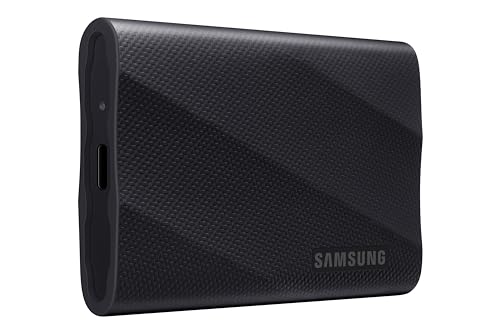
Samsung T9 Portable SSD 2TB, USB 3.2 Gen 2x2, up to 2,000 MB/sBest for Fast PortsSamsung T9 Portable SSD 2TB, USB 3.2 Gen 2x2, up to 2,000 MB/sUSB 3.2 Gen 2x2, 20 GbpsUp to 2,000 MB/s2 TB modelLarge video projects and game libraries
SanDisk Extreme Portable SSD 1TB, up to 2,000 MB/s with IP65 protectionBest RuggedSanDisk Extreme Portable SSD 1TB, up to 2,000 MB/s with IP65 protectionn/aUp to 2,000 MB/s per the maker1 TB modelFieldwork, travel and photography
SanDisk 1TB Portable Drive, up to 600 MB/sBest ValueSanDisk 1TB Portable Drive, up to 600 MB/sn/aUp to 600 MB/s read1 TBBackups, documents and photo libraries
SSK Portable SSD 500GB, USB 3.2 Gen 2 with A and C cables, up to 1,050 MB/sBest Budget AlternativeSSK Portable SSD 500GB, USB 3.2 Gen 2 with A and C cables, up to 1,050 MB/sUSB 3.2 Gen 2Up to 1,050 MB/s500 GBBudget backups and moving files

A portable external SSD is flash storage in a pocket-sized case that plugs into a USB port. It is far faster, quieter and tougher than a spinning hard drive, which makes it the default choice for backups, video projects, game libraries and moving large files between machines.

The numbers on the box overstate real performance. The port on your computer sets the ceiling, sustained write speed is lower than the headline, and some drives throttle when hot. We evaluated five portable SSDs from the candidate pool using published specifications, listing details and patterns in owner feedback, then ranked them by fit for real use rather than peak speed.

Before you buy

6 Criteria to Look For Before Buying an External SSD

  1. 01

    Port speed and real performance

    The port on your computer sets the ceiling. A USB 3.2 Gen 2 port runs at 10 Gbps, about 1,050 MB/s in practice, while Gen 2x2 and USB4 reach 20 Gbps or more. A 2,000 MB/s drive on a 10 Gbps port runs at about half its rating. Check your port specification before paying for a faster drive. Look up your computer's port page and find the speed in Gbps, because that number tells you what to buy.

  2. 02

    Sustained write speed

    The headline speed is a burst figure from the drive's fast cache. Large file transfers, such as a 100 gigabyte video project, slow once the cache fills. For editors, sustained writes matter more than peak read. If you move big files, look for drives with thermal management and owner reports on sustained speed. Time a real copy of a large folder when the drive arrives, so you know your actual speed and spot a bad cable early.

  3. 03

    Heat and throttling

    Fast SSDs generate heat, and many throttle to protect themselves. Metal cases help dissipate heat. A drive that overheats slows down mid-transfer. Give the drive airflow and avoid covering it during long copies. If you edit video from the drive, copy the project to the internal disk when you can, and use the external drive for archives and moves.

  4. 04

    Capacity and real space

    Computers show less space than the label because drives count in decimal units while operating systems count in binary. A 1 TB drive shows about 930 GB. Pick a capacity with room to grow, because a drive that is nearly full slows down. Plan for at least a quarter of free space. Leave the drive on a hard surface with some space around it during long copies, because a hot case slows down.

  5. 05

    Durability and protection

    IP codes such as IP65 cover dust and splashes, and drop ratings describe fall protection. SSDs have no moving parts, so they survive bumps better than hard drives. Rugged cases and rubber bumpers add protection. Even so, any drive can fail, so back up important data. Decide how much you will add each year, and buy the size that still has free space two years from now.

  6. 06

    Cables, compatibility and software

    A drive that includes both USB-C and USB-A cables works with more computers. Check whether it works with phones, consoles and tablets. Software for encryption and firmware updates is a plus. Format the drive for your operating system, or use exFAT for cross-platform use. Format the drive in the way that suits your computers, using a cross-platform format if you move between systems.

Detailed reviews

The 5 best external ssds, explained

01
Samsung T7 Portable SSD 1TB, USB 3.2 Gen 2, up to 1,050 MB/s
USB 3.2 Gen 21,050 MB/sMetal body1 TB
Check price on Amazon
Best for: Most people who want a fast, compact, trustworthy drive for backups and everyday transfers.

The T7 is a compact SSD with an aluminum body, a USB 3.2 Gen 2 interface and a rated read speed of up to 1,050 megabytes per second. That speed matches the 10 gigabit port found on most modern laptops, desktops and many phones, so you usually get the rated performance without special hardware. It ships with a USB-C to USB-C cable and a USB-C to USB-A cable.

The tradeoff is that the speed is a ceiling for short bursts. Sustained writes of very large files slow down after the drive's cache fills, which matters for big video exports. Compared with the Samsung T9, it is slower but costs less and runs cooler. Compared with the SanDisk Portable at 600 MB/s, it is faster at a moderate step up in cost.

Ownership is simple. Plug it in, format it for your operating system and keep a second copy of anything important. Owner feedback patterns on the T7 say it is reliable and well made, and that the case can warm up during long transfers, so avoid covering it. Keep firmware updated through the maker's software.

What works

  • 1,050 MB/s rating matches the common 10 Gbps USB port
  • Compact aluminum case feels tough and dissipates heat
  • Includes both USB-C and USB-A cables
  • Strong brand support and widely used design

Watch out for

  • Sustained large writes slow once the cache fills
  • Slower than the 2,000 MB/s models on a compatible port
  • Costs more than the 600 MB/s drive

Specs

Interface
USB 3.2 Gen 2, 10 Gbps
Rated speed
Up to 1,050 MB/s read
Capacity
1 TB model
Body
Compact aluminum case
Best use
Backups, file transfer and light video work
02
Samsung T9 Portable SSD 2TB, USB 3.2 Gen 2x2, up to 2,000 MB/s
USB 3.2 Gen 2x22,000 MB/s2 TBThermal control
Check price on Amazon
Best for: Creators and gamers with a Gen 2x2 or USB4 port who move very large files.

The T9 is Samsung's high-speed portable SSD, using a USB 3.2 Gen 2x2 interface at 20 gigabits per second and rated up to 2,000 megabytes per second. That headroom helps with large video files, big game installs and moving whole libraries quickly. The 2 terabyte size suits creators.

The tradeoff is port compatibility and heat. Full speed needs a USB 3.2 Gen 2x2 or USB4 port, and on a standard 10 Gbps port it falls back to roughly the speed of the T7. Faster drives run hotter and may throttle on long transfers. Compared with the T7, it costs more for a gain you only see with the right port. Compared with the SanDisk Extreme, it has a similar speed rating but a different build and rugged approach.

Ownership requires checking your computer first. Verify your port specification before buying, use the supplied cable and give the drive airflow. Owner feedback patterns on 2,000 MB/s drives say that real speeds depend on the computer, and some units get warm during sustained writes.

What works

  • Up to 2,000 MB/s on a compatible 20 Gbps or USB4 port
  • 2 TB capacity suits big projects and game libraries
  • Thermal management helps hold speed during long transfers
  • Familiar Samsung support and software

Watch out for

  • Needs a Gen 2x2 or USB4 port for full speed
  • Runs warmer than slower drives
  • Costs more than the 1,050 MB/s drives

Specs

Interface
USB 3.2 Gen 2x2, 20 Gbps
Rated speed
Up to 2,000 MB/s
Capacity
2 TB model
Port need
Gen 2x2 or USB4 for full speed
Best use
Large video projects and game libraries
03
SanDisk Extreme Portable SSD 1TB, up to 2,000 MB/s with IP65 protection
Up to 2,000 MB/sIP651 TBRugged
Check price on Amazon
Best for: Photographers and travelers who want a fast drive that survives bags and weather.

The new SanDisk Extreme is a rugged portable SSD with a rated speed of up to 2,000 megabytes per second and an IP65 rating for dust and water resistance. The maker describes it as nearly twice as fast as the previous generation. The casing is built for bags, trips and fieldwork.

The tradeoff is the same port limit as other 2,000 MB/s drives, plus higher cost than slower drives. Full speed needs a matching 20 Gbps port, and on a standard USB port it falls back to the common 1,050 MB/s ceiling. IP65 covers dust and splashes, not submersion. Compared with the Samsung T9, it has a ruggedness focus. Compared with the T7, it is faster on a compatible port but costs more.

Ownership is simple. Check your port, keep the cable seated and avoid dropping it on hard floors. Owner feedback patterns on the Extreme line say they are durable in the field, and that real speeds vary with the host computer.

What works

  • Up to 2,000 MB/s on a compatible port
  • IP65 rating protects against dust and splashes
  • Rugged case suits fieldwork
  • Strong SanDisk brand support

Watch out for

  • Needs a 20 Gbps port for full speed
  • IP65 does not cover immersion
  • Costs more than slower drives

Specs

Rated speed
Up to 2,000 MB/s per the maker
Protection
IP65 dust and water resistance
Capacity
1 TB model
Comparison
Nearly twice the previous generation's speed
Best use
Fieldwork, travel and photography
04
SanDisk 1TB Portable Drive, up to 600 MB/s
Up to 600 MB/s1 TBPocket-sized4x faster than HDD
Check price on Amazon
Best for: Backups and everyday file moving on a budget.

The SanDisk Portable Drive is the value SSD, with a rated read speed of up to 600 megabytes per second, which the maker says is up to four times faster than an old-style portable hard drive. It is compact, light and quiet. The speed is plenty for documents, photos, backups and everyday transfers.

The tradeoff is that it is the slowest SSD in the lineup, and large video projects or game installs will take longer. It costs less, but the gap in cost per terabyte versus the T7 is modest. Compared with the T7, it is slower but cheaper. Compared with the SSK drive, it comes from a more established brand and has clearer specifications.

Ownership is easy. Plug in, format and keep a second backup. Owner feedback patterns on entry SSDs say they are reliable for light use, and the main caution is that sustained write speeds are lower than the rated read speed.

What works

  • Up to 600 MB/s is plenty for documents, photos and backups
  • Compact and quiet with no moving parts
  • Lower cost than the faster drives
  • Established SanDisk brand

Watch out for

  • Slowest SSD in the lineup
  • Sustained write speeds are lower than read speeds
  • Large projects and game installs take longer

Specs

Rated speed
Up to 600 MB/s read
Capacity
1 TB
Comparison
Up to 4x faster than a portable hard drive
Style
Compact, light body
Best use
Backups, documents and photo libraries
05
SSK Portable SSD 500GB, USB 3.2 Gen 2 with A and C cables, up to 1,050 MB/s
Up to 1,050 MB/s500 GBUSB-C and USB-A cablesUSB 3.2 Gen 2
Check price on Amazon
Best for: Budget buyers who want a fast drive and keep a second backup.

The SSK is a lower-cost portable SSD with a USB 3.2 Gen 2 interface and a rated speed of up to 1,050 megabytes per second, with both USB-A and USB-C cables in the box. The listing notes that the capacity displayed by your computer can be lower than the advertised size, which is normal for all drives. It is aimed at buyers who want fast speeds at a low cost.

The tradeoff is brand and support. SSK is less established than Samsung or SanDisk, and long-term reliability data is thinner. Compared with the T7, it offers the same rated speed for less, but with less support. Compared with the SanDisk 600 MB/s, it is faster but from a lesser-known brand.

Ownership requires good habits. Keep a second backup, verify the drive with a test and avoid using it as the only copy of important data. Owner feedback patterns on budget SSDs say they perform well at first, with the main risk being lower build quality and less support if something fails.

What works

  • Rated up to 1,050 MB/s at a low tier
  • Includes both USB-A and USB-C cables
  • 500 GB capacity suits documents and photos
  • Compact and light

Watch out for

  • Less established brand and support
  • Long-term reliability data is thin
  • Capacity shown by the computer is less than advertised

Specs

Interface
USB 3.2 Gen 2
Rated speed
Up to 1,050 MB/s
Capacity
500 GB
Cables
USB-A and USB-C cables included
Best use
Budget backups and moving files

Spec decoder

What the listing measurements really mean

The numbers brands lead with, translated into what they tell you about fit, comfort and wear at home.

USB 3.2 Gen 2 vs Gen 2x2

Gen 2 runs at 10 Gbps and Gen 2x2 runs at 20 Gbps. A drive must be paired with a matching port to reach full speed. Cable quality matters at these speeds, so use the one in the box for any speed test.

Watch forThe T9 and SanDisk Extreme are rated for 2,000 MB/s, but need a 20 Gbps port.

MB/s rating

Megabytes per second, usually the maximum read speed. Write speeds and sustained speeds are lower. Sustained speeds are the number to watch when you copy a very large folder or video project.

Watch forThe T7 lists up to 1,050 MB/s and the SanDisk Portable lists 600 MB/s.

IP65

A rating for dust tight protection and resistance to water jets. It does not mean waterproof. Heat is the common reason a fast drive slows down after a few minutes of copying.

Watch forThe SanDisk Extreme lists IP65.

Thermal throttling

A drive slows itself when it gets too hot. It protects the hardware but cuts speed. IP ratings describe protection against dust and water, not protection against drops.

Watch forFast drives like the T9 are more prone to heat during long transfers.

Formatted capacity

The usable space after formatting, which is lower than the labeled size due to unit differences. Differences in unit counting are normal and do not mean the drive is smaller than advertised.

Watch forThe SSK listing notes that displayed capacity differs from advertised capacity.

Methodology

How We Evaluated These External SSDs

Spec sheet and listing review

We compared interface, rated speed, capacity and protection as published by each maker. We checked that speed claims were stated for the same conditions. For example, rated speeds are usually peak reads, not sustained writes. We also noted which drives include both cable types, since that affects compatibility with older laptops.

Port and speed fit

We matched each drive's interface to common computer ports. A fast drive on a slow port wastes money. This explains the T7 pick. We read owner reports about sustained transfers and heat, since those matter more than a peak speed.

Heat and sustained use

We reviewed thermal design and owner reports on long transfers. Heat limits real speed. This shaped the T9 and Extreme positions. We checked that each listing explains the port needed to reach the advertised speed.

Ownership and reliability

We read owner feedback patterns about failures, cables and software. We weighed brand support. This shaped the order of the lineup. We looked for repeated mentions of cable and connector issues before ranking a drive.

Value for the user

We compared price tier against speed, capacity and brand for backups, creators and travelers. A slower drive suits backups. This shaped the budget picks. We kept the order tied to who uses the drive and how large their files are.

Decision guide

How to Choose the Right External SSDs

By Port

SituationPickWhy
Standard USB-A or USB-C 10 GbpsSamsung T7 1TBMatches the 1,050 MB/s ceiling
USB 3.2 Gen 2x2 or USB4Samsung T9 2TBFull 2,000 MB/s
Fast port and field useSanDisk Extreme 1TBRugged with 2,000 MB/s rating
Older USB 3.0 portSanDisk Portable 1TB600 MB/s rating fits slower ports

By Budget

SituationPickWhy
Lowest costSSK 500GBLower tier with 1,050 MB/s
Low to mid tier, brandSanDisk Portable 1TBEstablished and simple
Mid tier, balancedSamsung T7 1TBSpeed and support
Higher spend, fastSamsung T9 2TB20 Gbps and large capacity

1,050 MB/s vs 2,000 MB/s

1,050 MB/s

The T7 and SSK match the 10 Gbps port in most computers. They are cheaper and run cooler.

2,000 MB/s

The T9 and Extreme need a 20 Gbps port. They are faster for huge files but cost more and run hotter.

Choose 1,050 MB/s for most people, and 2,000 MB/s only with a compatible port and large files.

By Use

SituationPickWhy
Backups and documentsSanDisk Portable 1TBFast enough and affordable
Photo and video fieldworkSanDisk Extreme 1TBIP65 and fast
Large video projectsSamsung T9 2TBHigh capacity and speed
General all-round useSamsung T7 1TBBalanced and reliable

For Game Libraries Specifically

Look for

Enough capacity for several large games, a fast port and stable sustained speeds. Check console and PC support.

In this comparison

The Samsung T9 2TB is the best fit for large libraries on a fast port. The T7 works well on standard ports.

When to Spend More

Spend more if

You edit video, shoot photos in the field or have a fast port. The T9 or SanDisk Extreme are the clearest upgrades.

Save if

You back up documents and photos. The SanDisk Portable or SSK covers it.

Ownership

Maintenance schedule

The upkeep that decides whether a piece still looks good in year five.

TaskIntervalWhy it matters
Back up important data to a second placeAlwaysAny drive can fail, and an external SSD should not be your only copy. Store the drive in a padded pouch so the connector does not take knocks.
Safely eject before unpluggingEvery usePulling the cable during a write can corrupt files. Eject to flush data. Do not use the drive as the only home for irreplaceable files.
Keep firmware updatedWhen the maker releases updatesUpdates can fix bugs and improve reliability. Follow the maker's instructions. Wipe the connector with a dry cloth if the drive disconnects.
Check the cable and portEvery few monthsA worn cable causes dropouts and slow speeds. Replace damaged cables. Keep a spare cable in your bag, since cables fail before drives do.
Leave about a quarter of the drive freeAlwaysA very full SSD slows down. Free space helps keep speeds stable. Encrypt the drive if it holds sensitive data and keep the password somewhere safe.

FAQ

Frequently Asked Questions

Will a 2,000 MB/s SSD work on my laptop?

Yes, but only at the speed of your port. On a standard 10 Gbps port, expect about 1,050 MB/s. If you only back up documents and photos, a modest drive is plenty.

Is an external SSD safer than a hard drive?

It has no moving parts, so it survives bumps better. It can still fail, so keep a second backup. Check your computer's port speed before buying a faster drive.

How long do external SSDs last?

They are rated for many terabytes of writes and often last for years of normal use. Heat and heavy writes shorten life. Choose a capacity with room to spare, since a nearly full drive is slower.

Can I use an external SSD with a phone or console?

Many phones and consoles support USB storage. Check compatibility and format the drive appropriately. Format the drive in a way that suits all the devices you use.

Why does my 1TB drive show less space?

Drives count in decimal units and operating systems count in binary. A 1 TB drive shows around 930 GB. Heat is normal during big copies, but very hot cases suggest poor airflow.

Do I need encryption?

If you carry sensitive data, yes. Many drives include software for password protection, or you can use the operating system's tools. Always keep a second backup, because no drive is immune to failure.

Bottom line

The short version

Browse more external ssdson Amazon →
Brianna Cole, Lead Product Editor

About the author

Brianna Cole

Lead Product Editor, SenseiReview

Brianna Cole leads SenseiReview's buying guides, turning published specifications, documentation and owner feedback patterns into clear verdicts across home, tech, fitness, outdoor and DIY products.

More from Brianna →

Keep reading

Related guides